
Data Recovery: Getting Your Precious Data Back

Hey there, fellow computer nerds! Let’s talk about one of the most dreaded things that can happen to any of us – losing our precious data. Whether it’s accidental deletion, a corrupt hard drive, or a virus attack, the thought of losing all our files, photos, and documents can send shivers down our spines. But fear not, because in this blog post, we’re going to delve into the world of data recovery and explore how you can get your data back safely and securely.
What is Data Recovery?
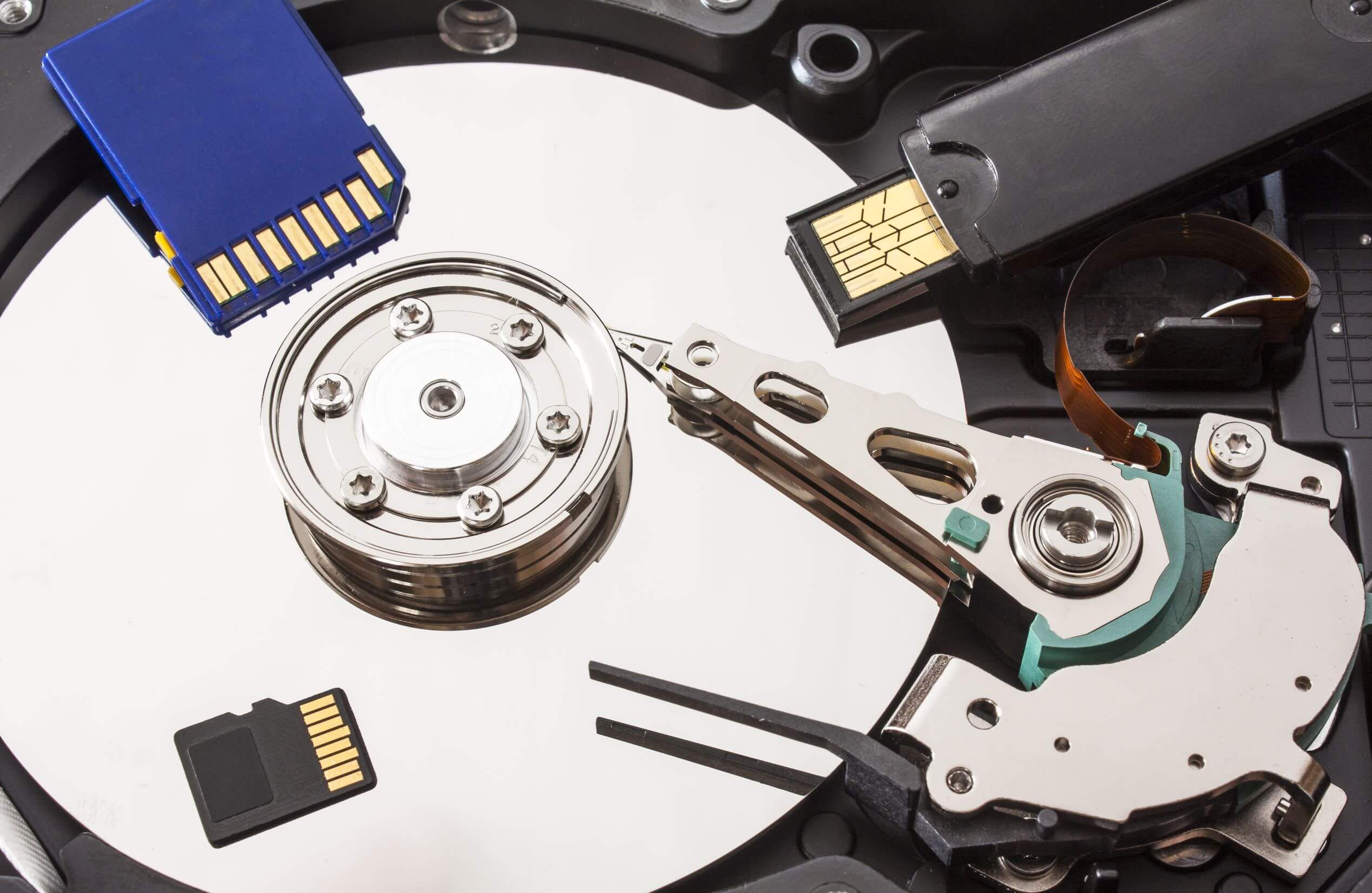
Data recovery is the process of retrieving lost, deleted, or inaccessible data from storage devices such as hard drives, SSDs, USB drives, and memory cards. This can be achieved through a variety of techniques, including software-based solutions, hardware repairs, and even forensic methods. The goal of data recovery is to restore as much of the lost data as possible, so you can get back to business as usual without losing any important files.
Common Causes of Data Loss
Before we dive into how to recover your lost data, let’s take a look at some common causes of data loss that you should be aware of:
- Accidental deletion
- Hardware failure
- Virus or malware attacks
- Power outages
- Physical damage to storage devices
By understanding these common causes, you can take steps to prevent data loss in the future and ensure that your precious files are always safe and secure.
How to Recover Your Data
So, you’ve lost your data. What now? Here are some steps you can take to try and recover your lost files:
-
Use Data Recovery Software: There are plenty of data recovery software programs available that can help you retrieve lost files from your storage devices. Some popular options include Recuva, Stellar Data Recovery, and EaseUS Data Recovery Wizard.
-
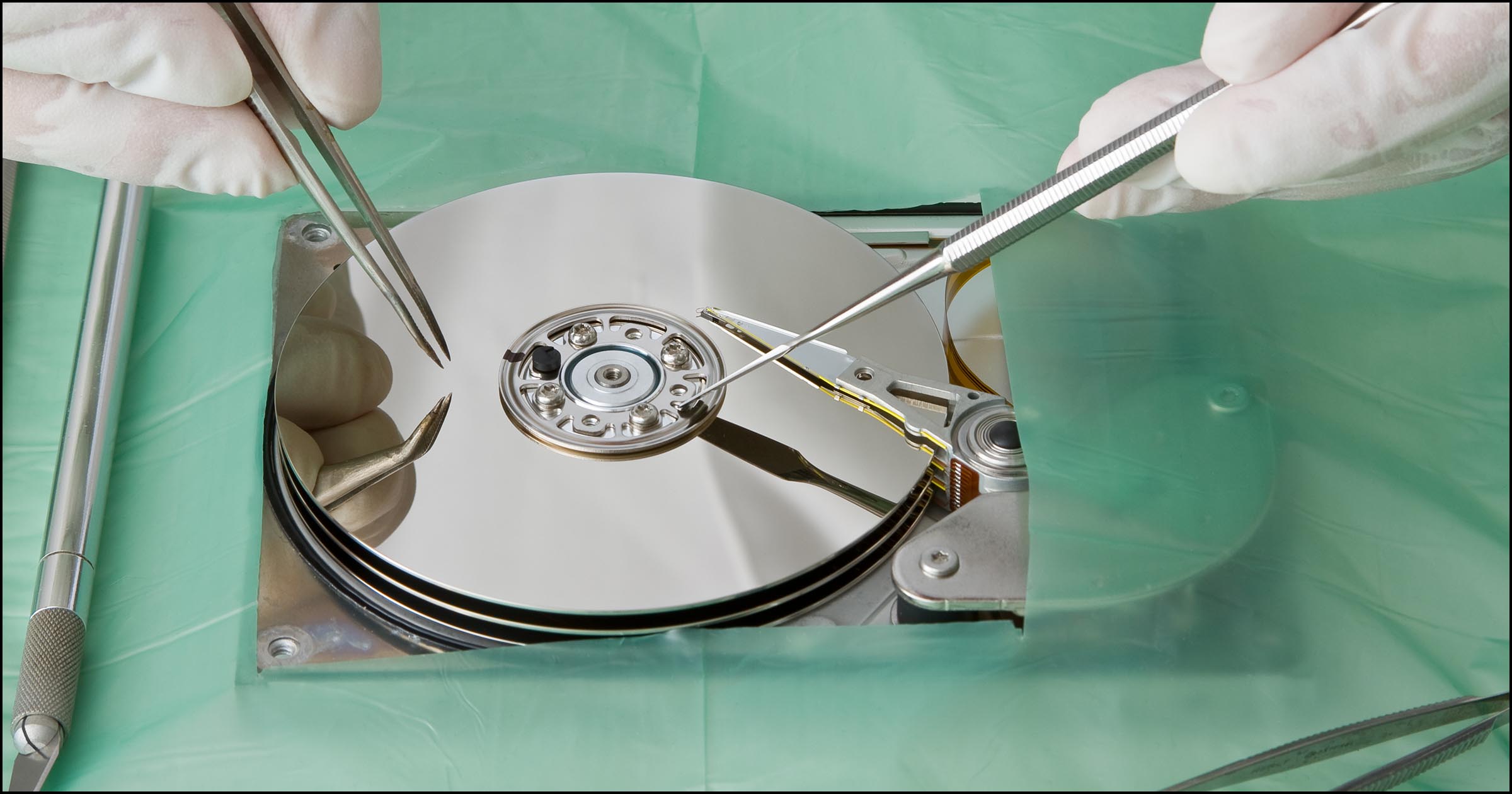
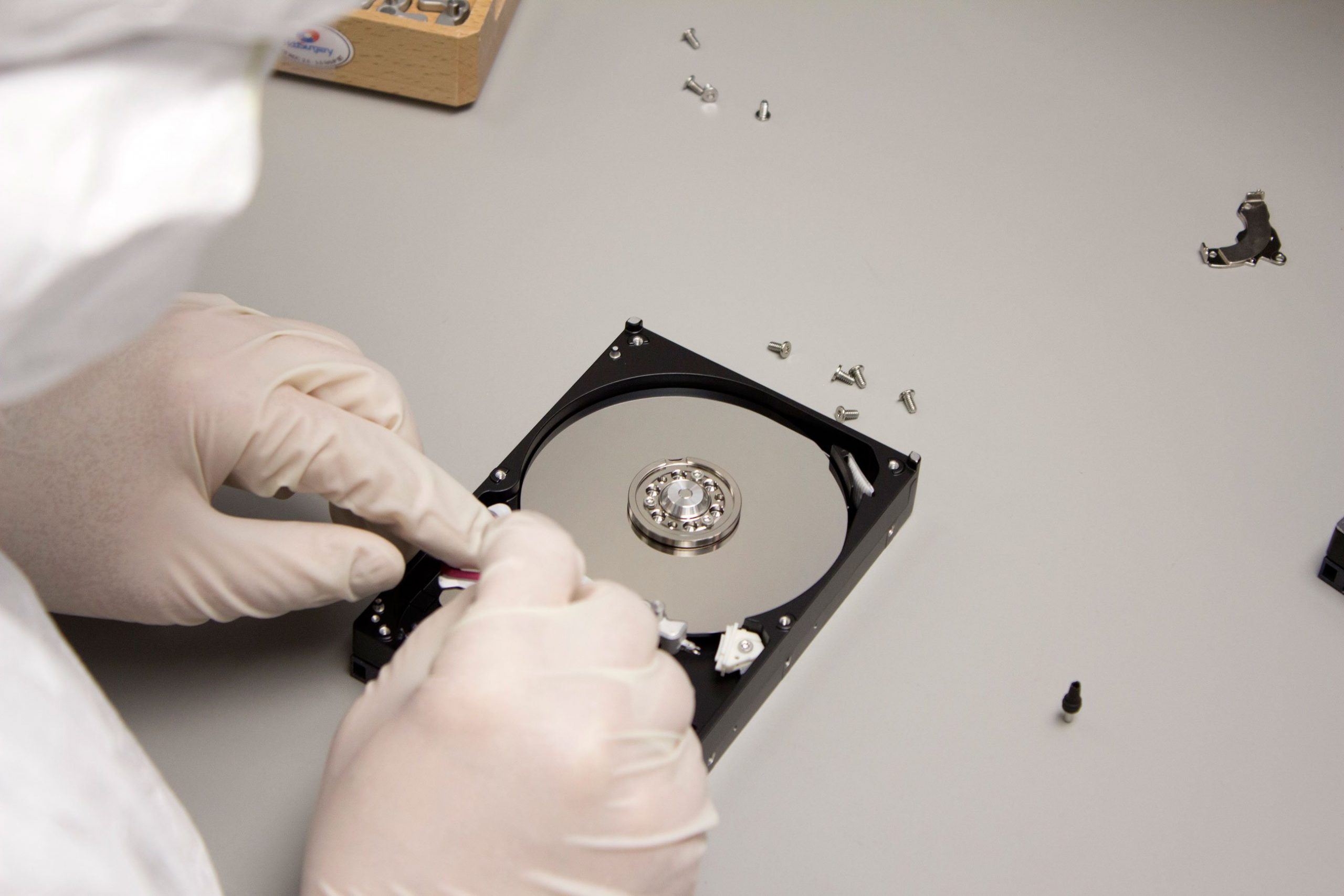
Consult a Professional: If your data loss is due to physical damage or other complex issues, it’s best to consult a professional data recovery service. These experts have the tools and expertise to retrieve data from even the most damaged storage devices.
-
Backup Your Data: Prevention is always better than cure. Make sure you regularly back up your data to an external hard drive, cloud storage, or a NAS device. This way, even if you do experience data loss, you’ll have a copy of your files safe and secure.
Conclusion
Data recovery is a crucial aspect of maintaining the integrity and security of your precious files. By understanding common causes of data loss and taking preventive measures, you can reduce the risk of losing important data. And in the unfortunate event that you do experience data loss, there are plenty of tools and services available to help you recover your files. So, don’t panic the next time you accidentally delete an important document – with the right approach, you can get your data back safe and sound. Stay safe and happy computing, fellow nerds!