
The Intricacies of Data Recovery: A Deep Dive for Computer Nerds

Hey there, fellow tech enthusiasts! We all love diving deep into the complexities of computing, don’t we? In our daily interactions with computers, we often take for granted the precision and intricate workings of the various processes that run within. One such aspect, about which we rarely ponder unless something goes wrong, is data recovery. Let’s take a moment to pay homage to this unsung hero of computer science, and explore its intricate construction.
What is Data Recovery?
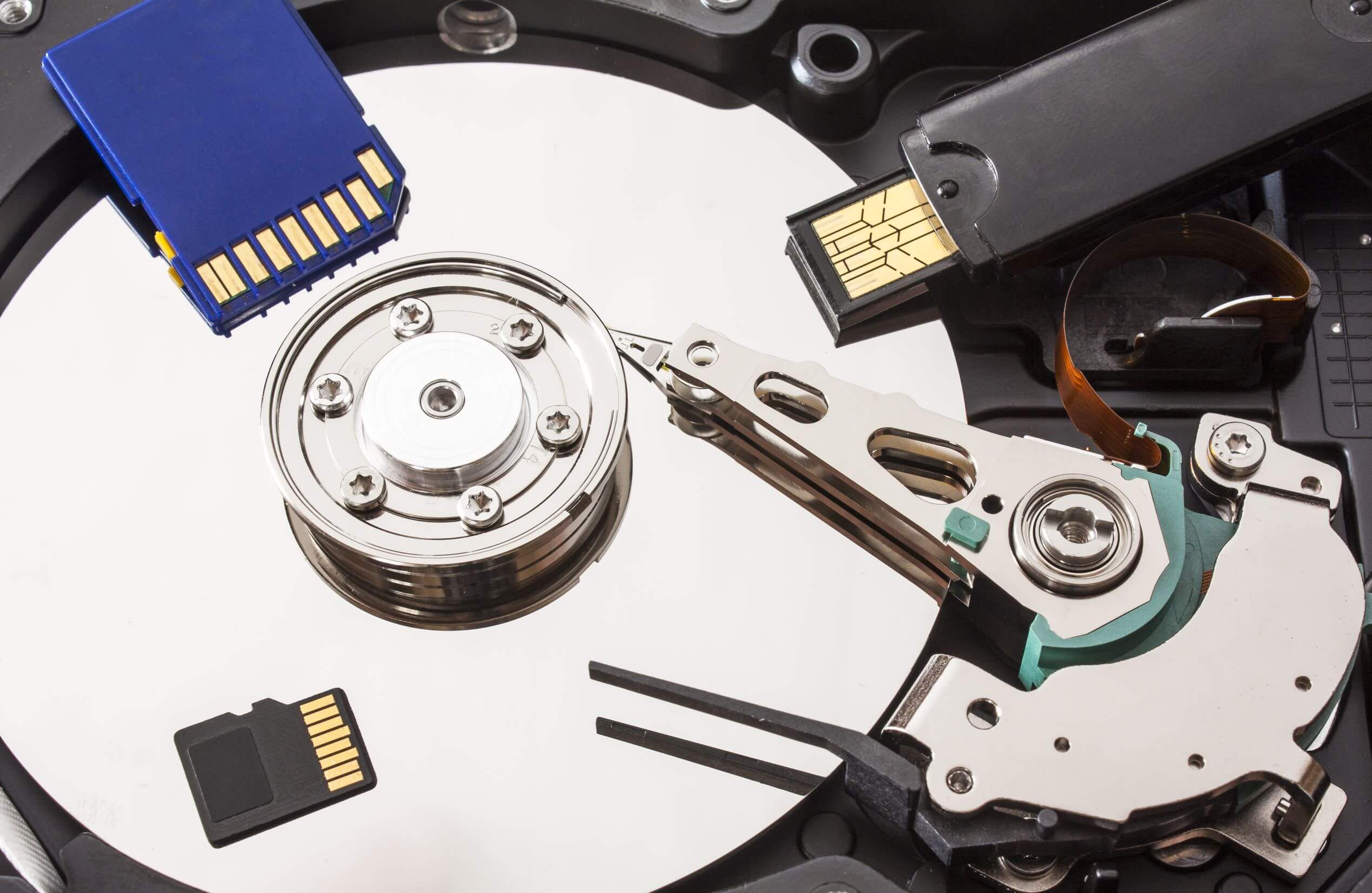
Data recovery, in its most basic form, is the process of salvaging inaccessible, lost, or damaged data from a storage medium. This could be anything from a hard drive on the brink of mechanical failure, to a flash drive that had an unfortunate meeting with the business end of a hammer.
We often think of data recovery in terms of disaster recovery scenarios, where major failures lead to significant data loss. However, it can also refer to software that is capable of reading data from a damaged medium and interpreting it correctly, or even just retrieving data that has been accidentally deleted.
The Art of Data Recovery
Data recovery is more of an art than science. Exact methods vary widely depending on the medium, the data loss scenario, and also the specific software in use. Nothing is uniform in data recovery and that’s where it gets really interesting.
Software-related Data Recovery
When it pertains to retrieving lost data due to software issues or logical problems, the process is usually relatively straightforward. Software to tackle these situations can often make a recovery look easy. Tools like Recuva or TestDisk are adept at trawling through your bits and bytes and reconstituting files, or even whole partitions that have been accidentally deleted.
Hardware-related Data Recovery
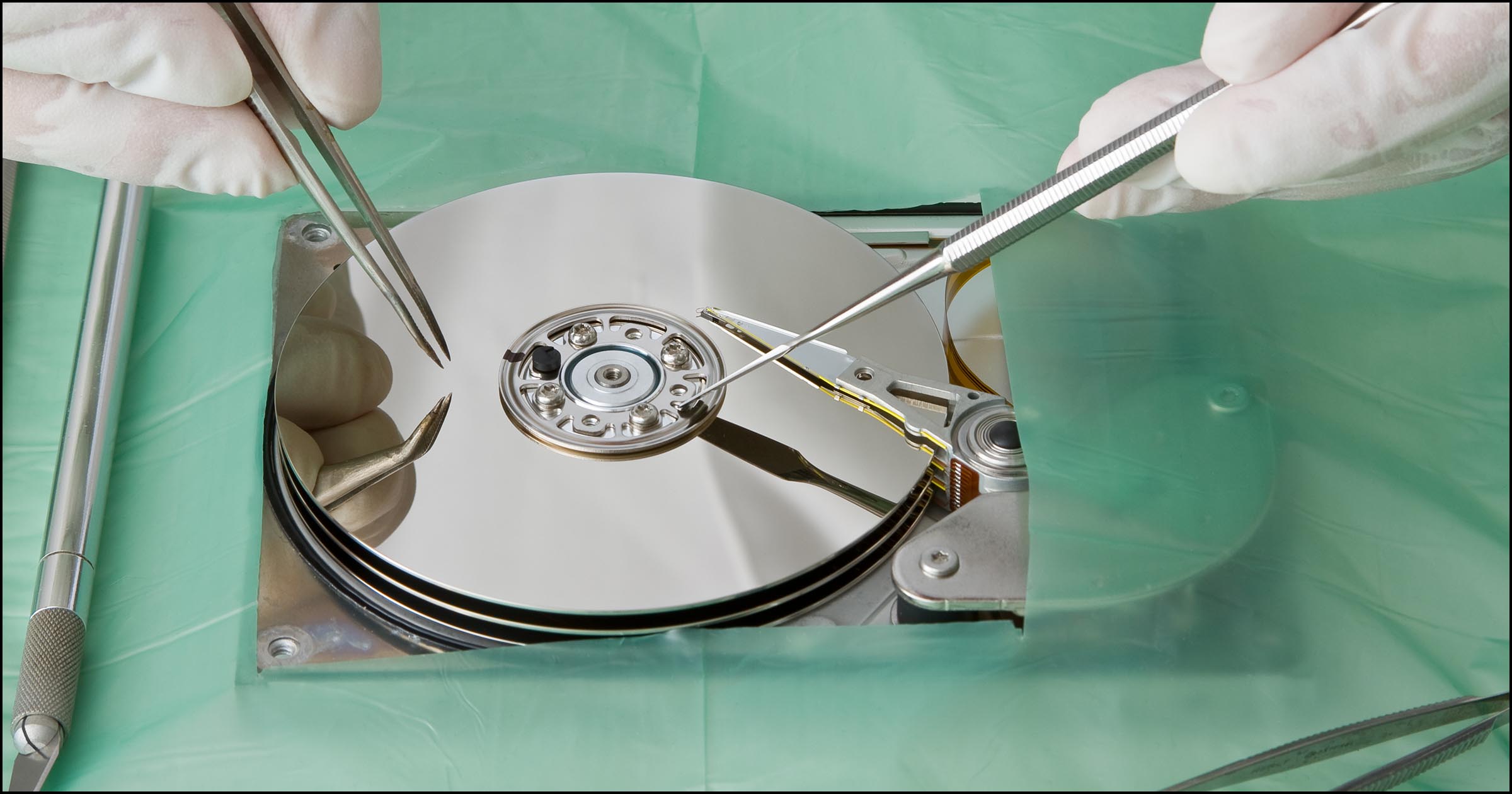
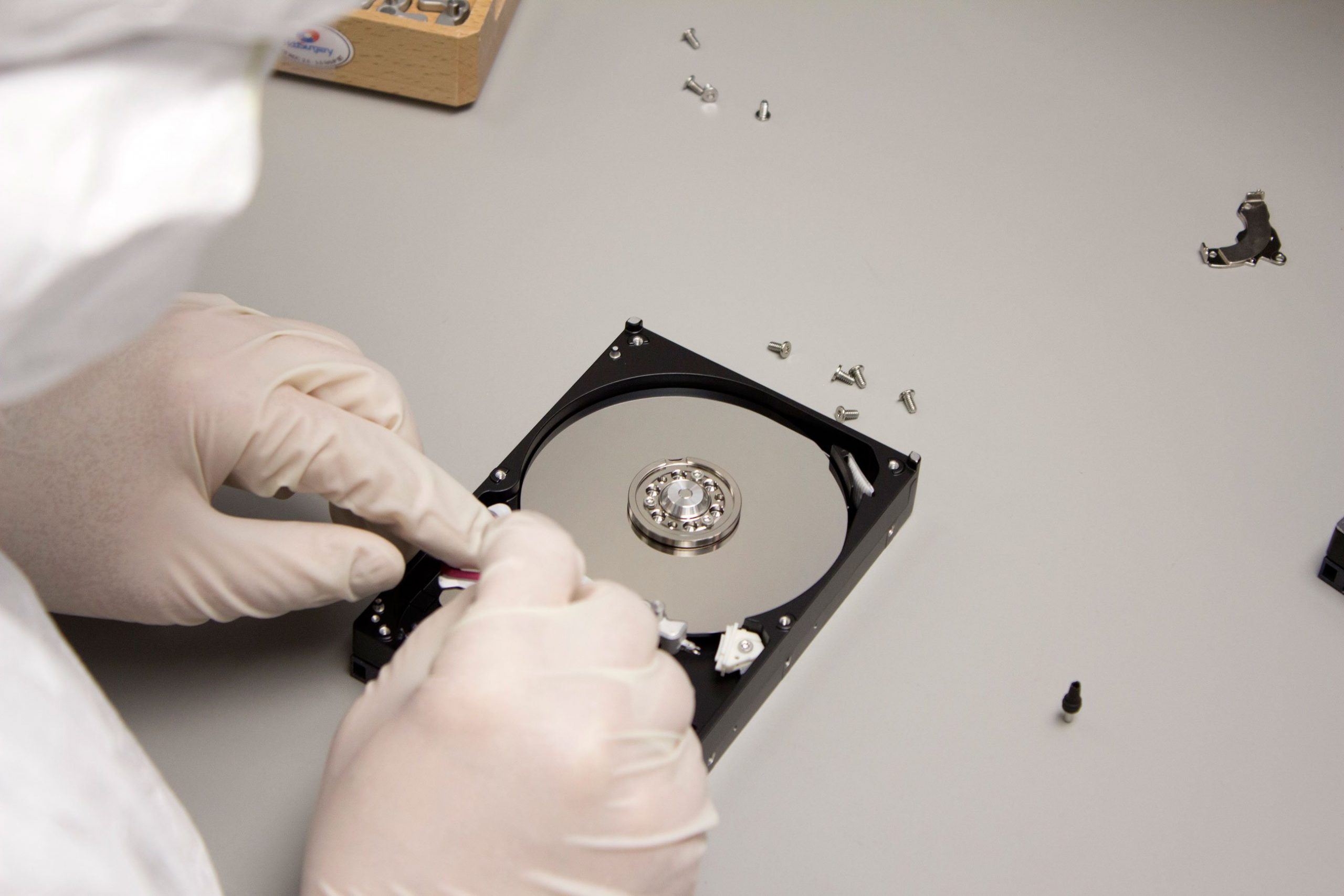
Data recovery software can’t always be the knight in shining armor, especially when you’re dealing with hardware failures. When physical components have been damaged, the principles of data recovery require a drastically different approach – often making use of specialist hardware and clean rooms. This process is painstaking and laborious and may require manual reconstruction of data.
The Underappreciated Heroes of Data Recovery
Source Code Recovery
When source code is lost, decryption and interpretation codes are required to reconstruct them.
Magnetic Force Microscopy
It is a technique used to replay hard drives bit by bit, even if they are damaged or almost obliterated.
Chip-Off Forensics
This approach is used when it’s impossible to get data from a device through its usual interfaces, maybe due to encryption or system-level blocks.
What Does The Future Hold?
Data recovery is still a burgeoning field, laced with challenges and opportunities. Discoveries in the arena of machine learning and AI pave the way for autonomous systems that can delve into many layers of data storage and recovery. However, the complexity of the system means the solution will always be multi-faceted.
In conclusion, data recovery is an underappreciated aspect of our computing lives, yet it plays a substantial role. It’s a fascinating realm that intrigues computer nerds like us. It’s always fun to delve into the intricacies of these systems, and to marvel at the miraculous ways in which they are able to pull our digital lives back from the abyss.
Remember, next time you accidentally delete that all-important file or have a sudden hard drive failure, behind your tears, spare a moment to appreciate the intricate art of data recovery saving your day.