
The Ultimate Guide to Data Recovery for Computer Nerds

Hey there, fellow computer nerds! Have you ever experienced the horror of losing important data due to a system crash, virus attack, or accidental deletion? If so, you’re not alone. Data loss can happen to anyone, but with the right tools and techniques, you can often recover your precious files. In this blog post, we’ll delve into the world of data recovery, exploring the best practices, tools, and tips for recovering lost data like a pro.
Introduction to Data Recovery
Data recovery is the process of retrieving lost, corrupted, or inaccessible data from storage devices such as hard drives, solid-state drives, and USB drives. There are various reasons why data loss can occur, ranging from hardware failure to human error. Regardless of the cause, the key to successful data recovery lies in understanding the underlying principles and techniques involved.
Common Causes of Data Loss
Before we dive into data recovery methods, it’s essential to understand the common causes of data loss. Some of the most prevalent reasons for data loss include:
- Hardware failure
- Accidental deletion
- Virus or malware attacks
- Power outages
- Corrupted files or partitions
By identifying the root cause of data loss, you can better tailor your data recovery approach to maximize the chances of success.
Data Recovery Techniques
There are several data recovery techniques that computer nerds can employ to retrieve lost data. Some of the most commonly used methods include:
- File recovery software: Utilizing dedicated data recovery software can often help recover deleted or corrupted files.
- Data backup: Regularly backing up your data to external storage devices or cloud services can mitigate the risk of permanent data loss.
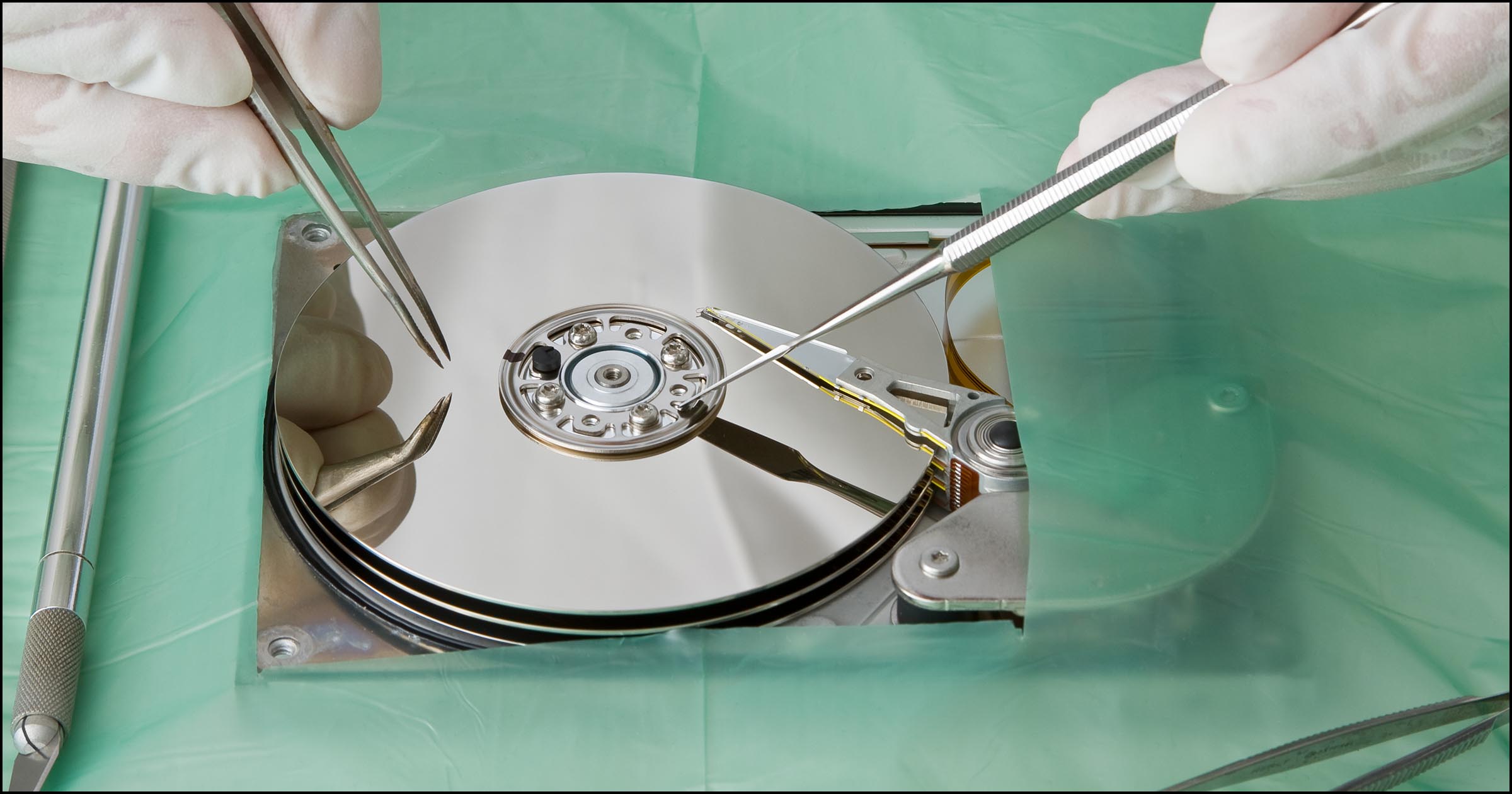
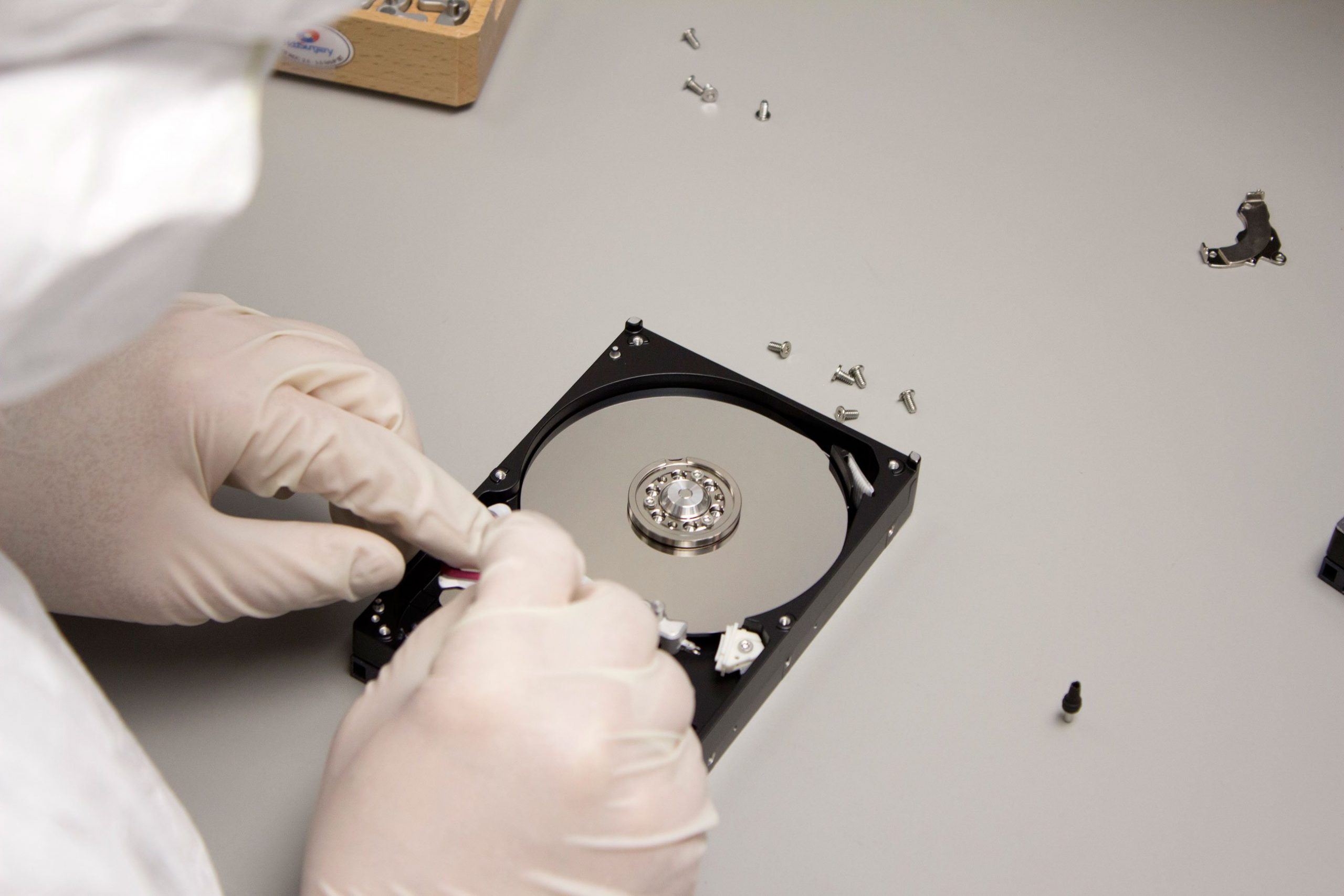
- Professional data recovery services: In cases of severe data loss, consulting with professional data recovery experts may be necessary to salvage critical files.
Tips for Successful Data Recovery
To increase the likelihood of successful data recovery, consider the following tips:
- Act quickly: The longer you wait to address data loss, the higher the chances of permanent damage to your files.
- Avoid overwriting: Refrain from saving new files or installing software on the affected storage device, as this can overwrite the lost data.
- Backup regularly: Implement a robust data backup strategy to minimize the impact of data loss in the future.
Conclusion
Data recovery is a crucial skill for computer nerds to master, as it can mean the difference between retrieving valuable data or facing permanent loss. By understanding the common causes of data loss, leveraging the right techniques, and following best practices, you can navigate the challenges of data recovery with confidence.
Remember, data loss is not the end of the world. With the right mindset and tools at your disposal, you can overcome any data recovery challenge that comes your way. Stay curious, stay resilient, and keep on nerding out!