Recover, Secure, Save: A Guide for Computer Nerds

Hey there, fellow computer nerds! Have you ever had that heart-stopping moment when you accidentally delete an important file or your computer gets infected with a nasty virus? If so, don’t panic! In this post, we’ll dive into data recovery, cyber security, and data storage to help you keep your precious data safe and sound. Let’s go ahead and make sure your digital world is secure, organized, and ready for anything.
Data Recovery
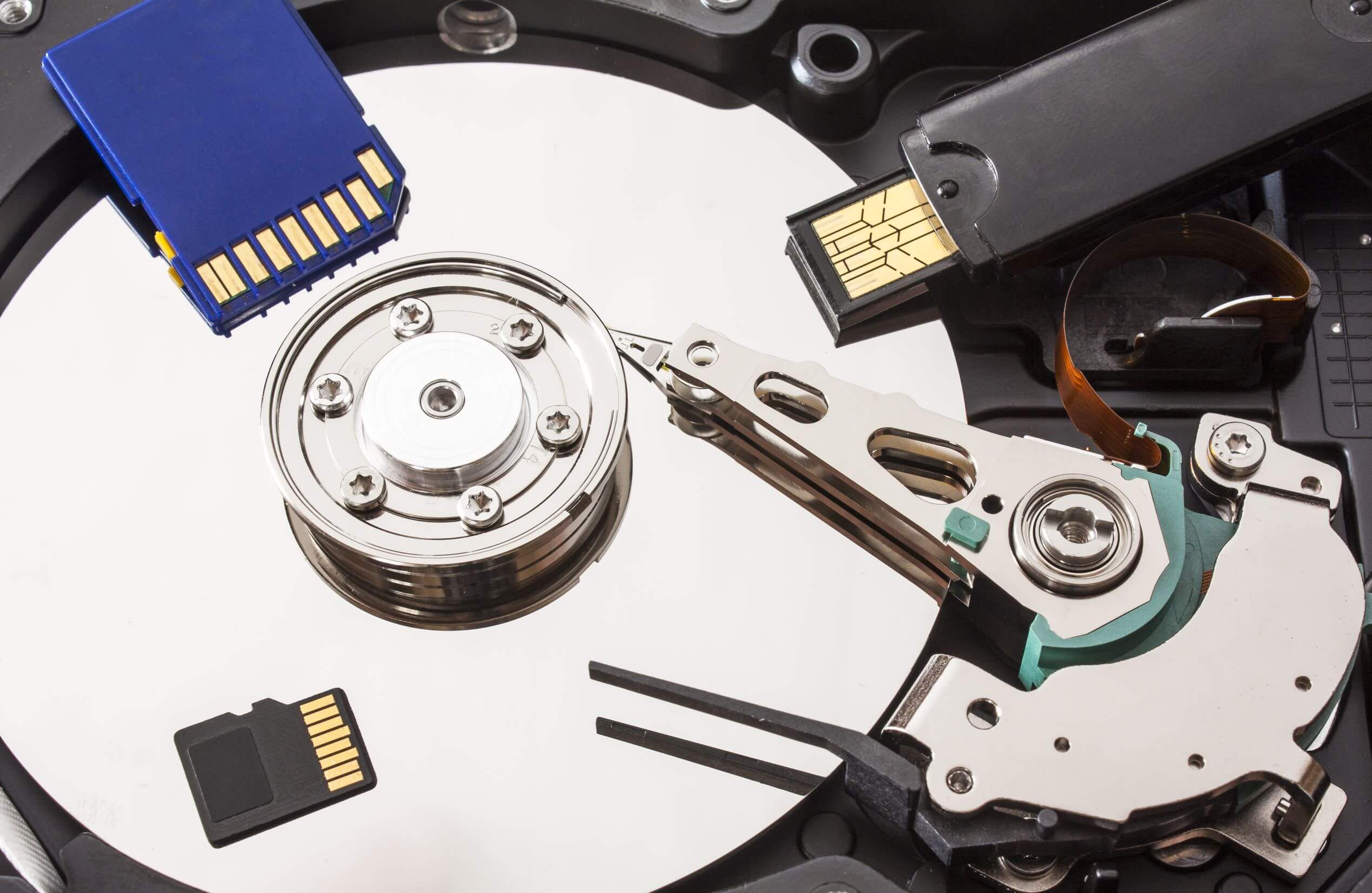
We’ve all been there – deleting an important file by mistake or formatting a hard drive, only to realize that you’ve just lost valuable data. But don’t worry – there are ways to recover those lost files. One of the most common methods is using data recovery software. Programs like Recuva, Disk Drill, or EaseUS Data Recovery Wizard can help you recover deleted files from your computer, external hard drives, or even USB flash drives. The key here is to act quickly – the sooner you attempt recovery, the better your chances of retrieving your data.
For more complex data recovery situations, especially if your storage device is physically damaged, you might need to seek professional help. Data recovery services specialize in recovering data from damaged or corrupted storage devices like hard drives, SSDs, or RAID arrays. While these services can be pricey, they are often the best option for those tough-to-recover scenarios.
Cyber Security
In today’s world, cyber attacks are on the rise, making it more important than ever to protect your data from hackers, malware, and other online threats. Here are a few essential steps to keep your data safe:
-
Strong Passwords: Use a combination of letters, numbers, and special characters for all your online accounts. Avoid using the same password for multiple sites.
-
Password Manager: Consider using a password manager to securely store and manage your passwords. This ensures you don’t have to remember every password and keeps them safe.
-
Software Updates: Regularly update your operating system, antivirus software, and other applications to patch security vulnerabilities. Cybercriminals exploit outdated software to gain access to your data.
-
VPN (Virtual Private Network): A VPN encrypts your internet connection, preventing hackers from intercepting your data. It also masks your IP address, making it harder for websites and attackers to track your online activities.
By following these steps, you can significantly reduce the risks of online threats.
Data Storage
As computer enthusiasts, we tend to accumulate a lot of data over time – photos, videos, important documents, and more. It’s crucial to have a reliable and secure storage solution to ensure your data remains safe. Let’s look at your options:
-
Cloud Storage: Services like Google Drive, Dropbox, and OneDrive provide convenient and accessible storage solutions for your data. The beauty of cloud storage is that it’s available anywhere and keeps your files backed up in case your physical storage fails. Just make sure to back up your files regularly.
-
Physical Storage: If you prefer physical storage, investing in an external hard drive or a Network-Attached Storage (NAS) device can give you extra storage space and data redundancy. For even more protection, use RAID configurations (like RAID 1 or RAID 5), which replicate your data across multiple drives to protect against hardware failure.
Conclusion
Data recovery, cyber security, and data storage are crucial aspects of digital life for us computer nerds. By implementing the tips outlined in this guide, you can protect your data, recover lost files, and keep your digital world organized and secure. Don’t let those accidental deletions or potential cyber threats ruin your day – stay informed, stay prepared, and keep your precious data safe and sound!
Now, go ahead and dive into these strategies, and keep your digital life running smoothly. Stay safe out there, nerds!