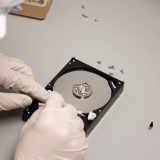

Data Recovery: A Computer Nerd’s Guide

Hey there, fellow computer nerds! Today, we’re going to talk about a topic that is near and dear to our hearts: data recovery. Whether you accidentally deleted that important file or your hard drive decided to crash at the worst possible moment, data recovery is a crucial skill to have in your arsenal. So buckle up and let’s dive into the world of data recovery!
Introduction
Data recovery is the process of recovering lost, deleted, corrupted, or inaccessible data from storage devices such as hard drives, SSDs, USB drives, and more. As computer enthusiasts, we know just how devastating it can be to lose valuable data, whether it’s important work documents, cherished photos, or that epic gaming save file. That’s why having a solid understanding of data recovery tools and techniques is essential for anyone who values their data.
The Basics of Data Recovery
When it comes to data recovery, there are a few key concepts to keep in mind. First and foremost, it’s important to act quickly. The longer you wait to attempt data recovery, the greater the chance of the lost data being overwritten or permanently lost. Secondly, it’s crucial to avoid using the affected storage device as much as possible to prevent further data loss. Finally, having the right tools and knowledge can make all the difference when attempting to recover lost data.
Data Recovery Tools
There are a variety of data recovery tools available to help you retrieve lost data from storage devices. Some popular options include Recuva, Disk Drill, and TestDisk. These tools are designed to scan your storage device for lost or corrupted data and attempt to recover it in a safe and efficient manner. It’s important to note that not all data recovery tools are created equal, so be sure to do your research and choose a reputable tool that fits your needs.
Data Recovery Techniques
In addition to using data recovery tools, there are also various techniques that can be employed to recover lost data. One common technique is file system reconstruction, which involves rebuilding the file structure of a storage device in order to recover lost files. Another technique is data carving, which involves searching for specific file signatures in the raw data of a storage device to recover individual files. These techniques can be complex and time-consuming, but they can be highly effective in recovering lost data.
Tips for Successful Data Recovery
To increase your chances of successful data recovery, there are a few tips to keep in mind. First, always make sure to back up your data regularly to prevent data loss in the first place. Second, avoid using unreliable or untested data recovery tools, as they can potentially cause further damage to your storage device. Finally, if you’re not comfortable attempting data recovery on your own, don’t hesitate to seek professional help from a data recovery service.
Conclusion
In conclusion, data recovery is a crucial skill for any computer nerd to have in their toolkit. By understanding the basics of data recovery, using the right tools and techniques, and following best practices, you can increase your chances of successfully recovering lost data from storage devices. So next time disaster strikes and you find yourself facing a data loss situation, don’t panic. Armed with the knowledge and tools to tackle data recovery, you’ll be well on your way to retrieving your precious data and getting back to what you love doing most – geeking out over all things tech!