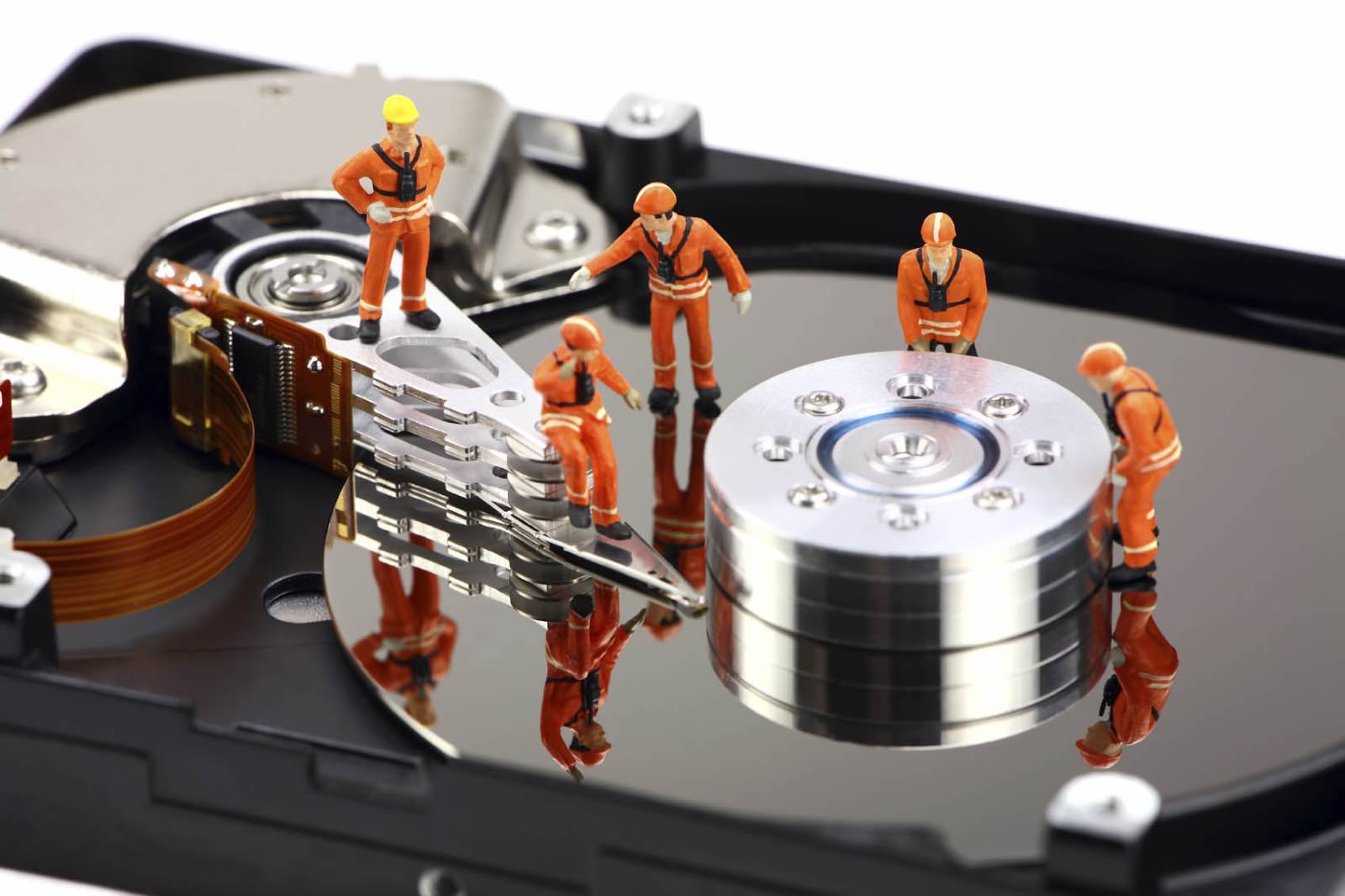
Can The Type Of Damage Affect The Cost Of Data Recovery?

When your device fails, one of the first questions that arise is how much it will cost to recover your lost data. The price of data recovery can vary depending on several factors, but the type of damage to the device plays a significant role in determining the overall cost. Let’s dive into the types of damage that can affect the recovery process and why they matter.
Types of Damage That Impact Data Recovery Costs
-
Mechanical Failure
-
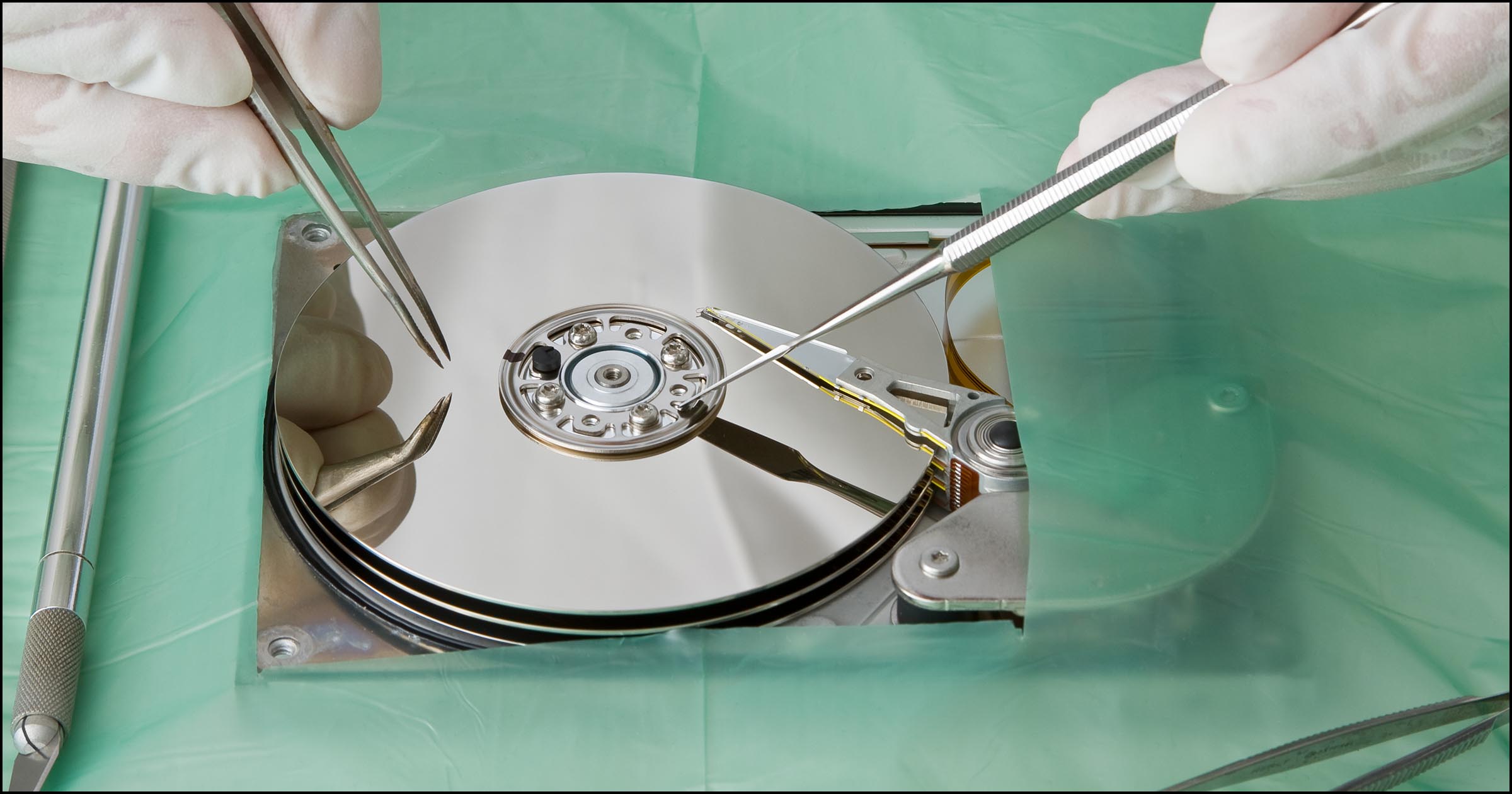
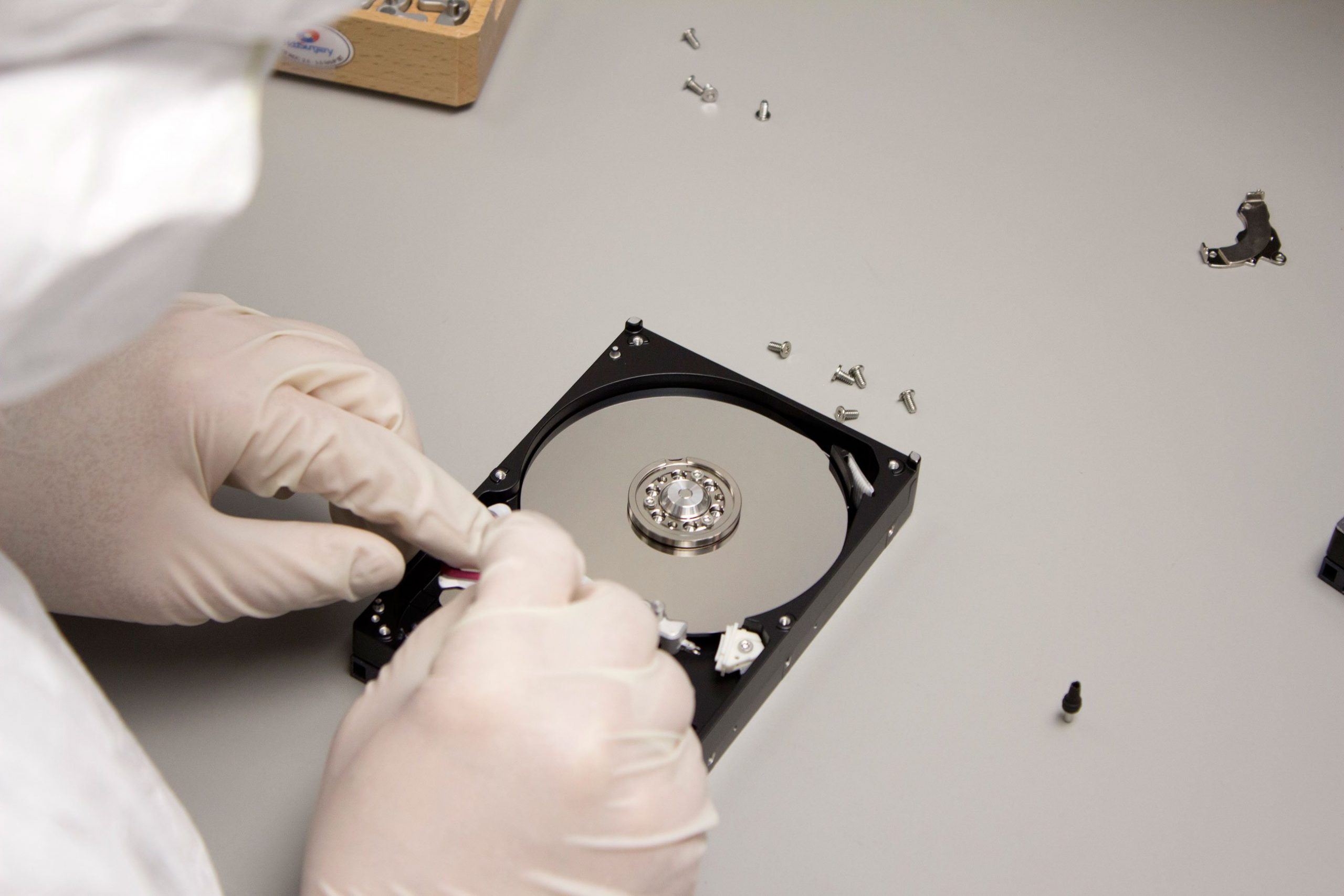
Mechanical failure is often caused by physical damage to the device, such as drops, shocks, or excessive wear. This damage typically manifests as strange noises like clicking, ticking, or jingling sounds coming from the device.
-
Impact on Cost: This type of damage can be expensive to repair because it may require specialized equipment and a cleanroom environment to fix the physical components. The complexity of the repair and the need for expert handling of the hardware contribute to higher costs.
-
-
Logical Failure
-
Logical failures are caused by software issues, such as file corruption, accidental deletion, or operating system errors. While it may not be as obvious as mechanical failure, it can still prevent you from accessing your data.
-
Impact on Cost: Logical failures are generally less expensive to recover from than mechanical failures. However, if the corruption is extensive or the operating system is severely compromised, the process can still become costly and time-consuming, especially if file structures need to be rebuilt.
-
-
Malware or Ransomware
-
Malware or ransomware attacks can lock your files, delete them, or hold them hostage for payment. The presence of ransom notes or inaccessible files can indicate this type of damage.
-
Impact on Cost: Data recovery from malware or ransomware attacks can vary widely. In some cases, the data may still be intact but inaccessible, while in others, the data could be partially or fully corrupted. The recovery cost depends on the severity of the attack and whether the recovery process involves decrypting files or restoring from backup.
-
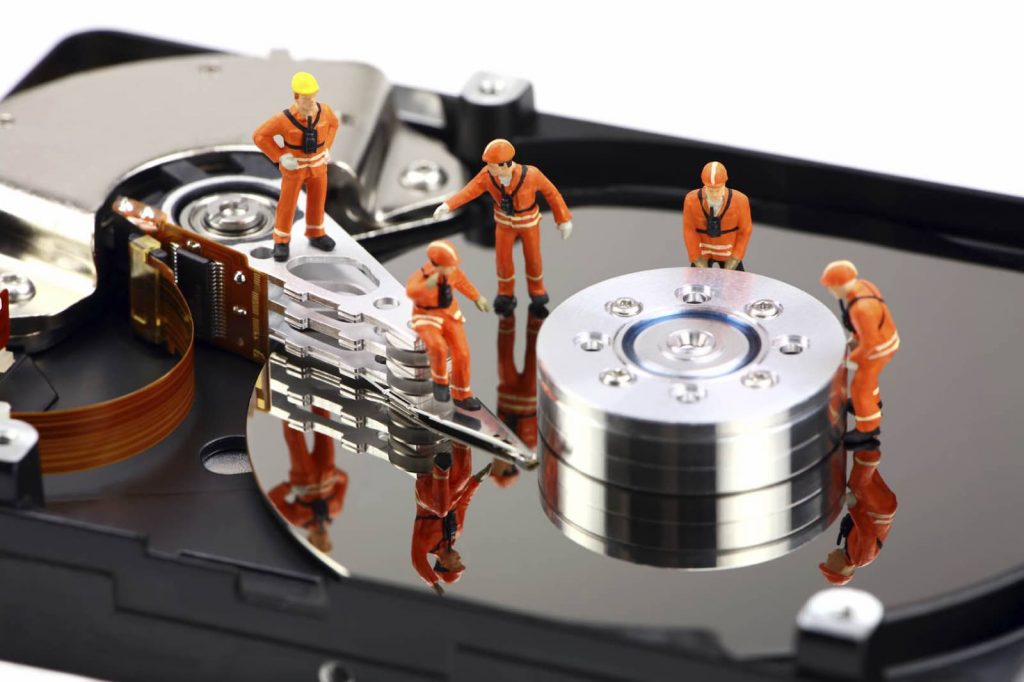
Can the Type of Device Affect the Cost of Data Recovery?
Yes, the type of device plays a role in the cost of recovery. However, it’s not necessarily the device itself that impacts the cost, but rather the storage medium and the nature of the damage to that storage. Here are some common types of storage devices and how they differ in terms of recovery:
-
Hard Drives (HDDs)
-
Hard disk drives are the most common storage devices and can fail due to physical or logical issues. The recovery process typically involves repairing the hardware or extracting data from the drive using specialized software.
-
Impact on Cost: Recovery from a hard drive is relatively straightforward but can still become expensive depending on the severity of the damage (e.g., physical failure of internal components).
-
-
Solid-State Drives (SSDs)
-
SSDs are faster and more reliable than HDDs, but they are more sensitive to physical damage and often involve complex data retrieval processes when failed.
-
Impact on Cost: SSD data recovery tends to be more expensive than HDD recovery, particularly because of the specialized technology required to access data from NAND chips, and because of the risks of further damage during the recovery process.
-
-
RAID and NAS Servers
-
RAID and NAS devices are often used for storing large amounts of data across multiple drives. These systems are designed to offer redundancy, but they are also more complex, especially when a failure affects multiple drives simultaneously.
-
Impact on Cost: Recovery from RAID or NAS devices can be costly due to the complexity of the system, the need to reconstruct data from multiple drives, and the possible involvement of specialized software. The more drives involved, the higher the cost of recovery.
-
Conclusion
While the device type does impact the overall cost of data recovery, it is primarily the type and extent of the damage to the storage medium that determines the price. Mechanical failures tend to be the most expensive to recover from, while logical failures and malware-related issues are generally less costly, though still dependent on the damage’s severity. Always keep in mind that different devices and storage types have different recovery processes, and seeking the help of professionals who specialize in data recovery will help you navigate these challenges effectively.